
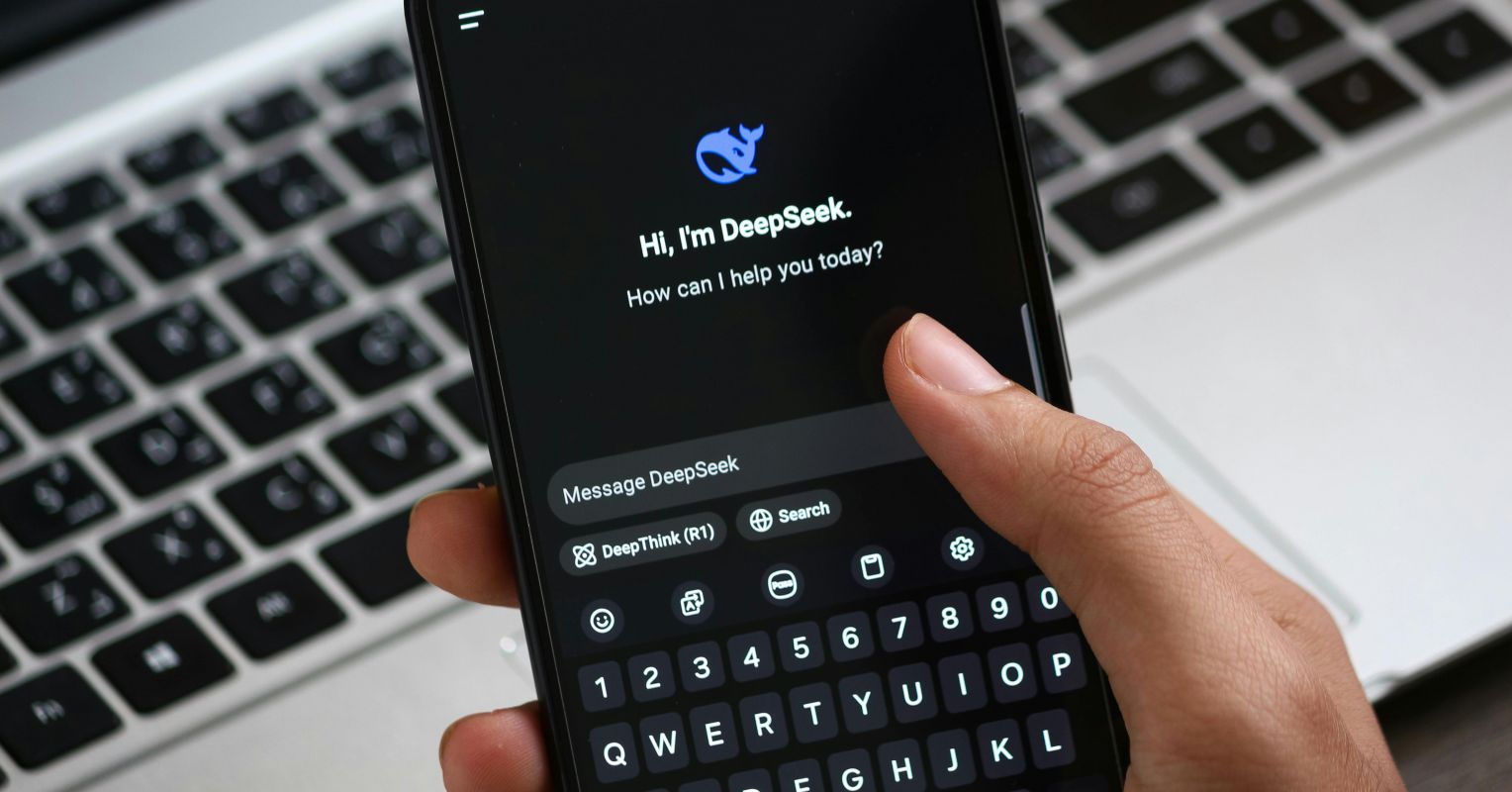
Кратковременное использование искусственного интеллекта может ухудшать когнитивные результаты и снижать готовность человека продолжать решать сложные задачи без помощи системы. К такому выводу пришло исследование ученых из Carnegie Mellon, Oxford, MIT и UCLA с участием 1222 человек в рамках трех рандомизированных контролируемых испытаний.
Участникам предлагали решать задачи на дроби и вопросы на понимание текста в формате SAT. Одна группа работала самостоятельно, другая имела доступ к чат-боту GPT-5. Затем помощь ИИ неожиданно убирали, после чего обе группы получали одинаковые задания. Участники, ранее пользовавшиеся ИИ, после отключения помощника показывали худшие результаты и пропускали задачи примерно вдвое чаще, чем те, кто с самого начала работал без него.
По данным исследования, заметный эффект возникал уже в течение первой сессии: 10–15 минут использования ИИ оказалось достаточно, чтобы изменить не только качество выполнения заданий, но и мотивацию. Авторы работы указывают, что риск ослабления самостоятельности может проявляться не постепенно в течение месяцев, а в острой форме и за короткое время.
Как меняется поведение
Особое внимание исследователи уделили росту числа пропусков. Этот показатель они рассматривают как признак снижения готовности прилагать усилия и терпеть неопределенность. Одна из предложенных причин состоит в том, что ИИ резко сокращает время до получения ответа, из-за чего самостоятельная работа начинает восприниматься как более тяжелая, чем раньше. В результате у человека смещается представление о том, какой уровень усилий считать нормальным.
Исследование также показало различие в зависимости от способа использования ИИ. Наиболее выраженное снижение наблюдалось у тех, кто обращался к системе за готовыми ответами. Те, кто использовал ИИ для подсказок или уточнений, демонстрировали результаты, примерно сопоставимые с контрольной группой. При этом авторы отмечают, что этот вывод основан на самоотчетах участников, самостоятельно выбиравших стиль взаимодействия с ИИ.
Рост инвестиций и риск зависимости
Выводы исследования появляются на фоне стремительного расширения инвестиций в искусственный интеллект. Мировые расходы на ИИ в 2025 году достигли почти 1,5 трлн долларов, а в 2026 году, как ожидается, превысят 2 трлн долларов. Корпоративные инвестиции в ИИ в 2024 году составили 252,3 млрд долларов, увеличившись более чем в 13 раз за десятилетие.
На этом фоне, как отмечается в материале, вложения в развитие человеческого мышления, обучение критическому мышлению и поддержание когнитивной устойчивости остаются значительно менее заметными. По мере того как ИИ берет на себя исследование, черновую подготовку текстов, расчеты, маршрутизацию, резюмирование и перевод, люди все чаще переходят к роли тех, кто лишь просматривает результат и нажимает «принять».
Что исследователи считают важным
Авторы описывают это как процесс ослабления самостоятельности: при регулярной передаче задач системе снижается как реальная способность человека действовать и думать независимо, так и его готовность это делать. По их оценке, опасность заключается в том, что такие изменения накапливаются незаметно, а снижение собственных навыков становится очевидным лишь позже, когда решение сложных задач уже начинает ощущаться как чрезмерно трудное.
В качестве практического подхода предлагается отслеживать, какие когнитивные задачи человек перестал выполнять самостоятельно, регулярно решать хотя бы одну сложную задачу без помощи ИИ, использовать систему скорее как источник подсказок, чем готовых ответов, замечать более быстрое желание отказаться от усилий и периодически возвращаться к выполнению дел без делегирования их алгоритмам.
Авторы предупреждают, что по мере роста возможностей ИИ может увеличиваться разрыв между тем, что умеют машины, и тем, что люди продолжают развивать в себе. По их оценке, окно возможностей для сокращения этого разрыва остается открытым, но быстро сужается.