
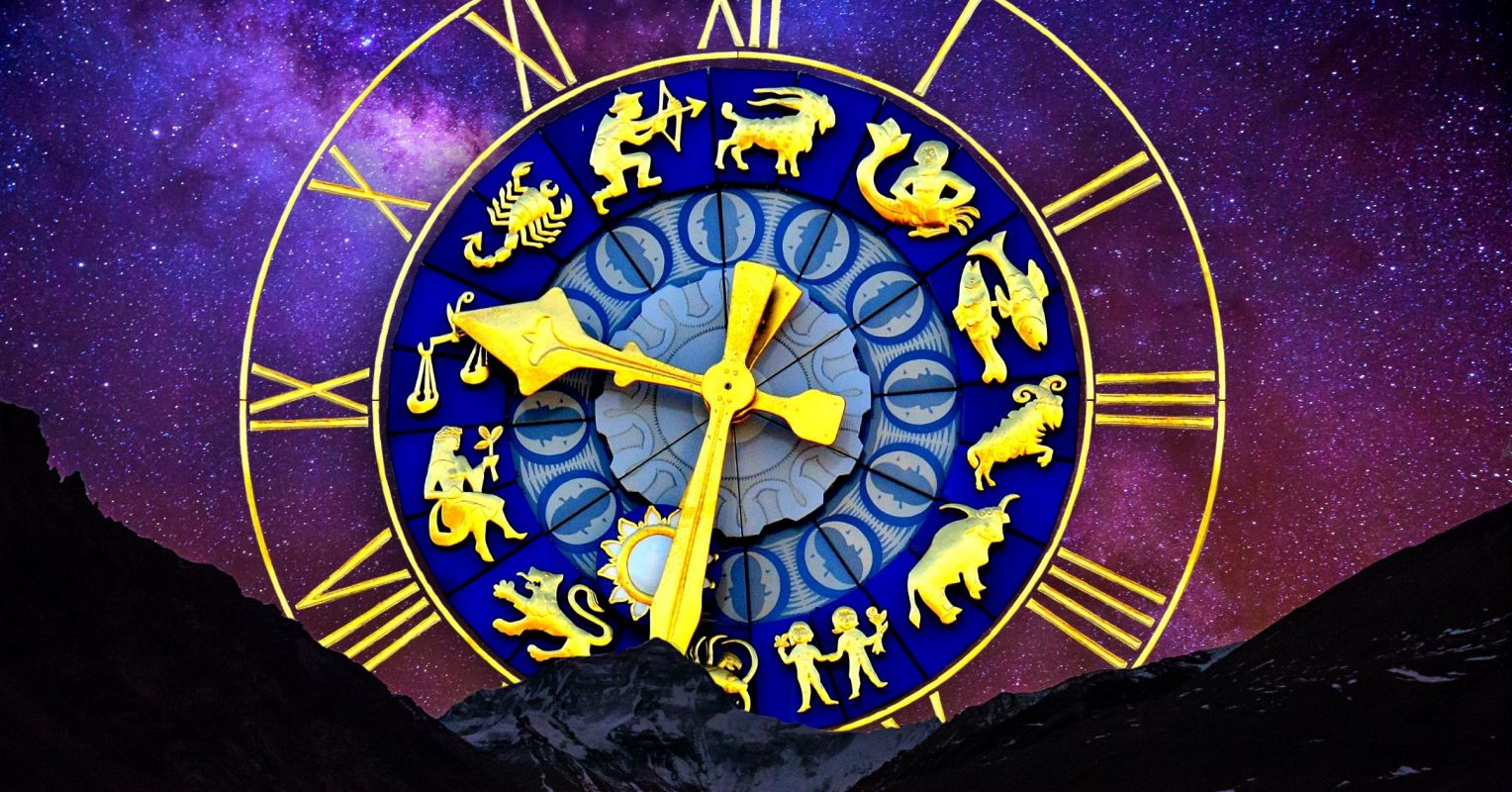
Астрология на протяжении веков сохраняет заметное влияние, несмотря на давнюю критику и отсутствие научных подтверждений. Этой теме посвящена книга журналиста Карлоса Орси What Science Says About Astrology, вышедшая в Columbia University Press. На 232 страницах автор рассматривает историю астрологии, причины ее устойчивой популярности и вред, который она, по его мнению, может причинять.
Как астрологию критиковали еще в древности
Одну из ранних крупных атак на астрологию предпринял Августин Блаженный в книге О граде Божьем. Августин, живший в 354–430 годах, спорил с представлением о том, что поступки человека определяются небесной необходимостью. Он задавался вопросом, какое место в таком случае остается суду Бога, который властвует и над звездами, и над людьми.
Когда христианство стало официальной религией Римской империи, языческие практики, включая астрологию, оказались под стигмой. В отдельные периоды за них могли наказывать вплоть до смертной казни.
Как астрология приспособилась к современности
В последующие столетия интерес к астрологии то ослабевал, то возвращался. По наблюдению Орси, в начале XX века астрологи изменили фокус: вместо предсказаний будущего они сделали ставку на «анализ характера» и «психологическое консультирование». Основой таких интерпретаций стали положения планет, Солнца и Луны в точный момент рождения человека.
Именно этот поворот, как пишет Орси, помог астрологии стать массово популярной в современном мире. Сегодня она существует не только в виде персональных консультаций, но и в формате ежедневных гороскопов в газетах и на компьютерах.
Насколько велик рынок астрологии
Орси приводит и экономические данные, показывающие масштаб явления. В 2020 году мировой рынок астрологических услуг оценивался в 12,8 миллиарда долларов. Ожидается, что к 2030 году он вырастет до 22,8 миллиарда.
Что говорит наука об астрологии
В книге собраны исследования, которые, по оценке автора, не оставляют астрологии научной опоры. Один из примеров — анализ десяти миллионов пар, не выявивший астрологического влияния на совместимость или несовместимость партнеров.
Другие исследования показывают, что люди, родившиеся в одно и то же время и в одной и той же местности, не обладают одинаковыми или даже сходными личностными чертами. Кроме того, гороскопы, составленные на основе одной и той же натальной карты, могут заметно различаться у разных астрологов.
Орси также приводит показательные ошибки известных астрологов. Один из них за несколько месяцев до начала Первой мировой войны предсказал для Европы год мира. Другой утверждал, что правление королевы Елизаветы II будет недолгим.
Почему астрология продолжает привлекать людей
Отдельное внимание Орси уделяет тому, почему астрология сохраняет популярность даже после многократных опровержений. По его словам, человек склонен узнавать себя в описаниях личности вне зависимости от того, исходят ли они от психолога или астролога. Если в характеристике сочетаются в основном привлекательные качества и лишь немного нежелательных черт, люди часто воспринимают такой портрет как точный и полезный.
По словам Орси, даже те, кто считает себя скептиком, нередко оценивают в целом благожелательный отчет о себе как верный и после этого начинают относиться к астрологии мягче.
Как работают профессиональные астрологи
Орси подчеркивает, что опытные практики хорошо понимают значение контакта с клиентом и умеют производить впечатление. В книге перечисляются приемы, которые помогают им усиливать доверие:
- демонстрировать уверенность;
- подстраивать комментарии под возраст, доход, уровень образования, расу и пол клиента;
- внимательно слушать и наблюдать;
- получать информацию, маскируя утверждения под вопросы;
- подолгу изучать натальную карту;
- быть эмпатичными и драматичными;
- говорить клиентам то, что они хотят услышать.
Почему Орси отвергает разговоры о «терапевтической» пользе
Автор книги скептически относится к утверждению, что астрология может работать как терапевтический миф и приносить пользу в руках компетентного и эмпатичного практика. Его позиция однозначна: у астрологии нет основы в реальности.
По мнению Орси, проблема не только в недостоверности метода. Когда решения о здоровье, любви, финансах и профессиональном продвижении связываются с произвольными представлениями о хороших и плохих часах или днях, это ослабляет значение логики, доказательств и критического мышления. В результате человек становится более уязвимым для манипуляций и заблуждений, на основании которых он может действовать.
Вывод книги
Орси рассматривает астрологию как одну из самых долговечных попыток человечества найти смысл во вселенной и обнаружить закономерности в природе. Но его итоговый вывод жесткий: место астрологии сегодня — в музеях и учебниках истории, а не в повседневной жизни.