
Исследование, проведенное в Университете Макьюэна в Эдмонтоне, показало, что инфразвук может вызывать у людей необъяснимое чувство тревоги и повышать уровень стресса. Авторы работы пришли к такому выводу после эксперимента, в котором сочетали самооценку участников с физиологическими показателями.
Речь идет об инфразвуке — низкочастотном звуке ниже 20 герц, который находится за пределами человеческого слуха. Такие колебания возникают как естественным образом, например при грозах и тектонической активности, так и из-за искусственных источников, включая вентиляционные системы, трубы, дорожное движение и другие элементы городской среды.
Исследователи отмечают, что ранее инфразвук уже предполагали возможной причиной неприятных ощущений у людей, однако результаты таких работ оставались неоднозначными. Во многом они опирались на субъективные рассказы участников без достаточного физиологического подтверждения. Новое исследование было направлено на то, чтобы сопоставить эмоциональные реакции с объективными данными.
В эксперименте участники слушали один из двух аудиофрагментов: спокойную инструментальную композицию для медитации или тревожную атмосферную запись в стилистике фильмов ужасов. При этом половина участников без их ведома дополнительно подвергалась воздействию инфразвука через динамики, установленные за пределами помещений для тестирования.
После прослушивания участники заполняли опросы о своих эмоциональных реакциях. Кроме того, у них брали образцы слюны для измерения уровня кортизола — гормонального биомаркера стресса.
Независимо от того, какой именно фрагмент слушали испытуемые, участники, подвергавшиеся воздействию инфразвука, чаще описывали музыку как более печальную, менее интересную и в целом более раздражающую. Одновременно у них фиксировался более высокий уровень кортизола по сравнению с теми, кто не подвергался воздействию инфразвука, что указывает на более высокий уровень стресса.
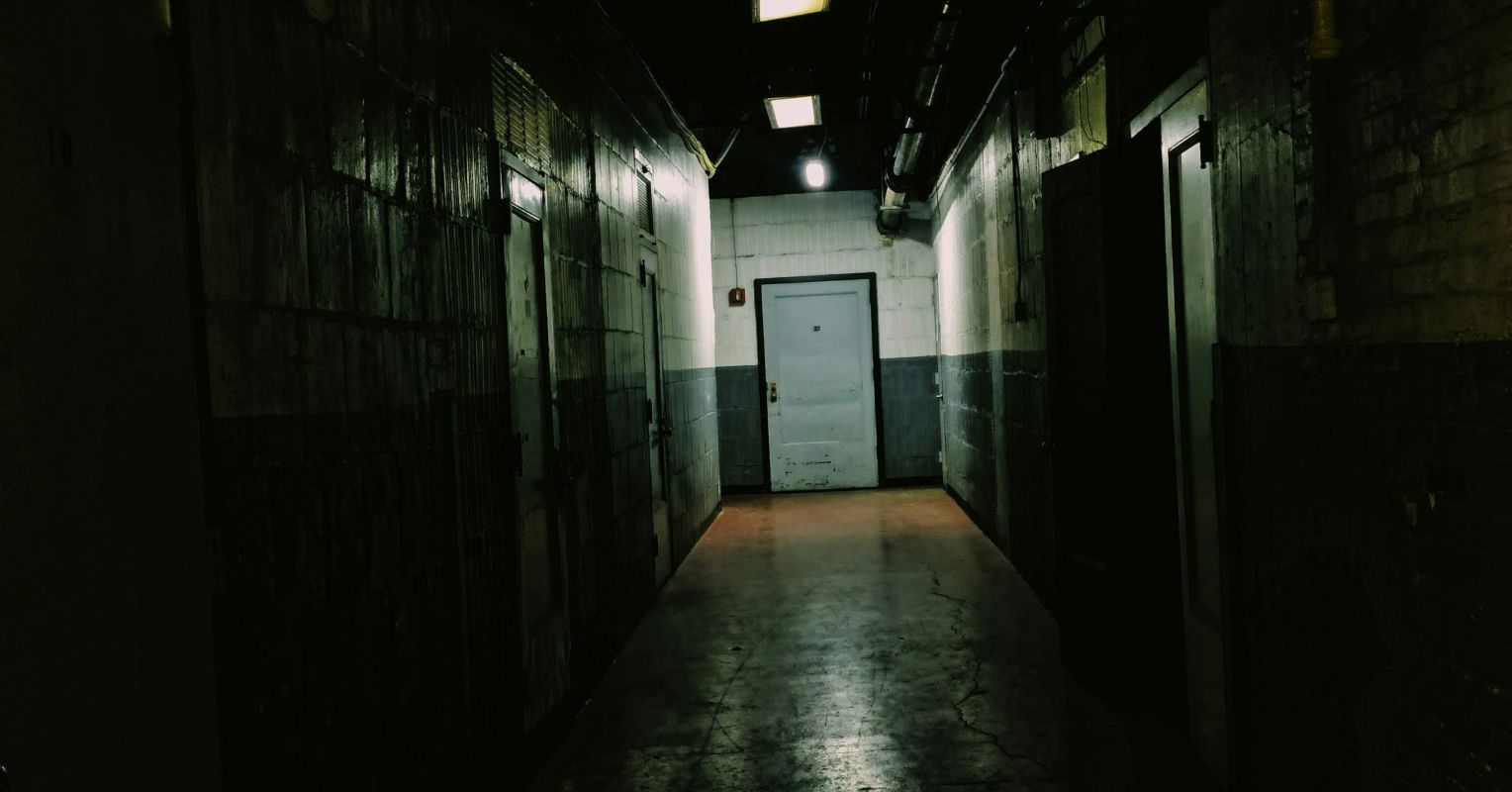
По мнению исследователей, эти результаты помогают объяснить ощущения необъяснимого беспокойства, о которых нередко рассказывают люди в старых или считающихся «нехорошими» зданиях. Работа указывает на то, что подобные переживания могут быть связаны не с мистическими причинами, а с воздействием низкочастотных звуков из окружающей среды, например от старых труб или котельного оборудования.